A Quiet Field Guide to Oud — The World's Most Storied Ingredient
By Alifa Atelier · 21 October 2025
Oud — also called agarwood, oudh, aloeswood, or jinko — is the single most expensive raw material in perfumery. A kilogram of high-grade wild Cambodian oud can cost more than a kilogram of gold. And yet, most people who've smelled a perfume in the last five years have smelled oud without knowing it. This is a plain-English guide to what it actually is, why it matters, and how to wear it well.
What oud actually is
Aquilaria trees grow across South and Southeast Asia — India, Bangladesh, Cambodia, Vietnam, Laos, Indonesia. When the tree is wounded and becomes infected with a specific mould (Phialophora parasitica), it defends itself by producing a dark, aromatic resin inside its heartwood. That resin-soaked wood is oud. In a healthy forest, maybe one tree in ten will naturally produce it, and even then only after decades. This is why it's so expensive.
Why perfumers love it
Oud has an almost impossible smell — animalic, smoky, sweet, leathery, honeyed, slightly medicinal, sometimes barnyard-funky, sometimes candied. No two batches are identical, because the fungus produces different chemical mixtures in different trees, at different ages, in different climates. It gives a perfume weight, depth, and a kind of skin-close warmth that no synthetic can quite duplicate. It also fixes other notes — meaning it makes the whole perfume last longer.
Real oud vs. 'oud'
The oud in most Western designer perfumes labelled 'oud' is a synthetic accord — usually built around molecules like Firsantol, Oud Synthetique 10760, and various woody-ambers. This isn't bad; a good synthetic oud accord is smoother, more wearable, and doesn't come with the sustainability concerns of wild agarwood. Traditional Middle-Eastern and South Asian attars are more likely to contain real oud oil (dehnal oud), which is diluted from steam-distilled agarwood chips.
How to wear it
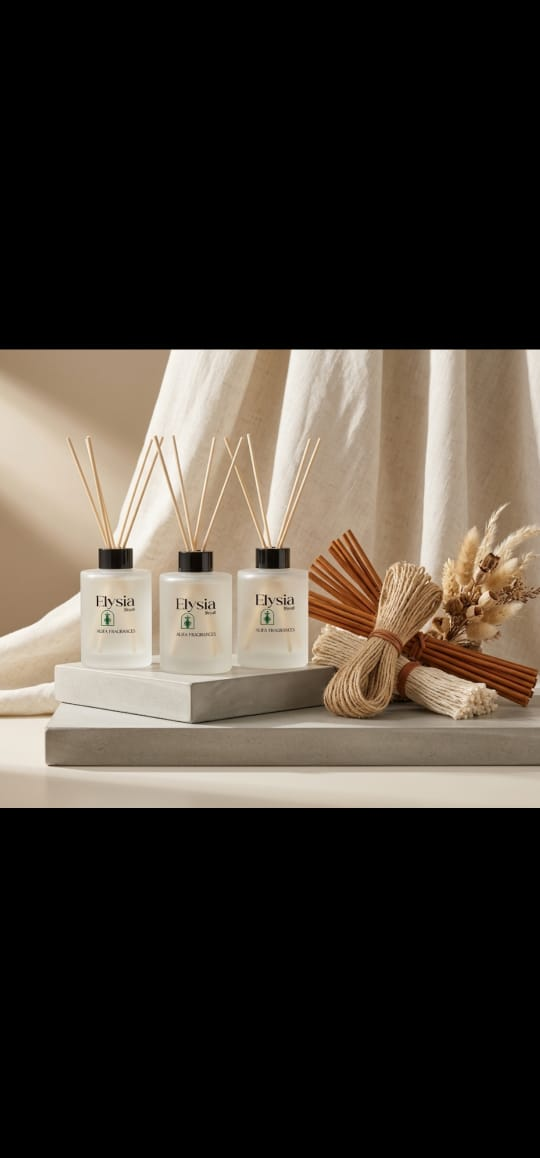
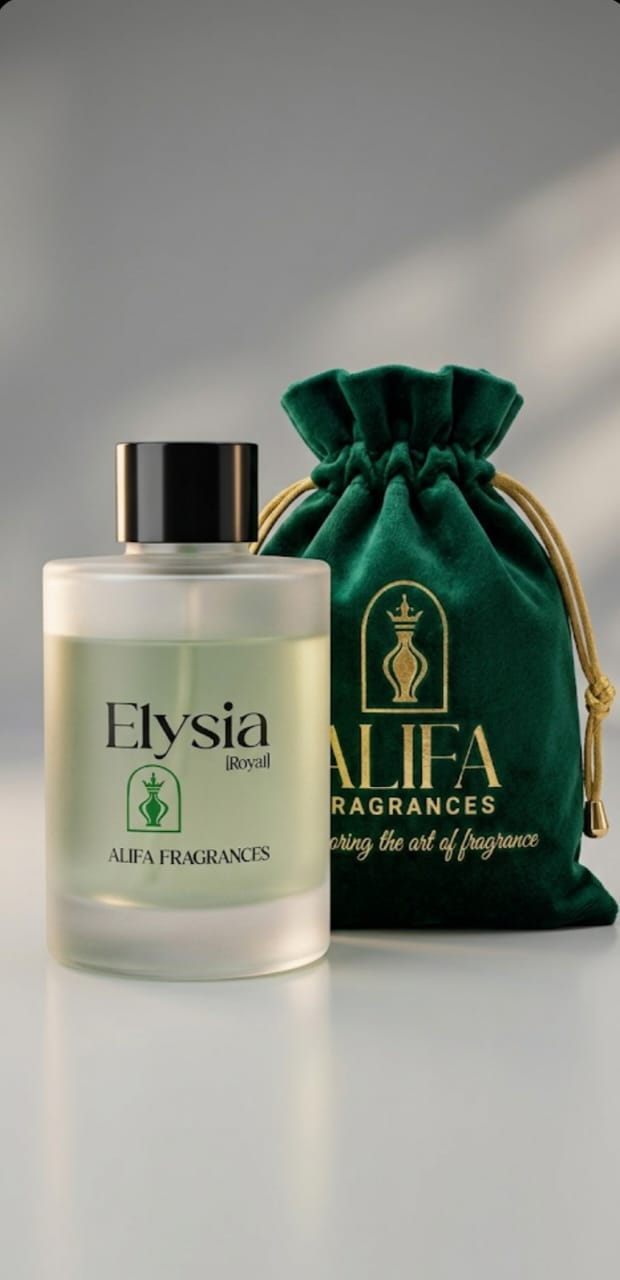
Oud is not shy. A little goes a very long way. One or two sprays on the chest or behind the ears is plenty — you do not spray oud like a citrus cologne. It's best in cooler weather; heat amplifies the animalic side and it can turn heavy. Traditionally it's evening wear, but modern lighter oud accords (like the ones we blend into our Elysia Royal reed diffuser) are fine for daytime.
Oud at Alifa
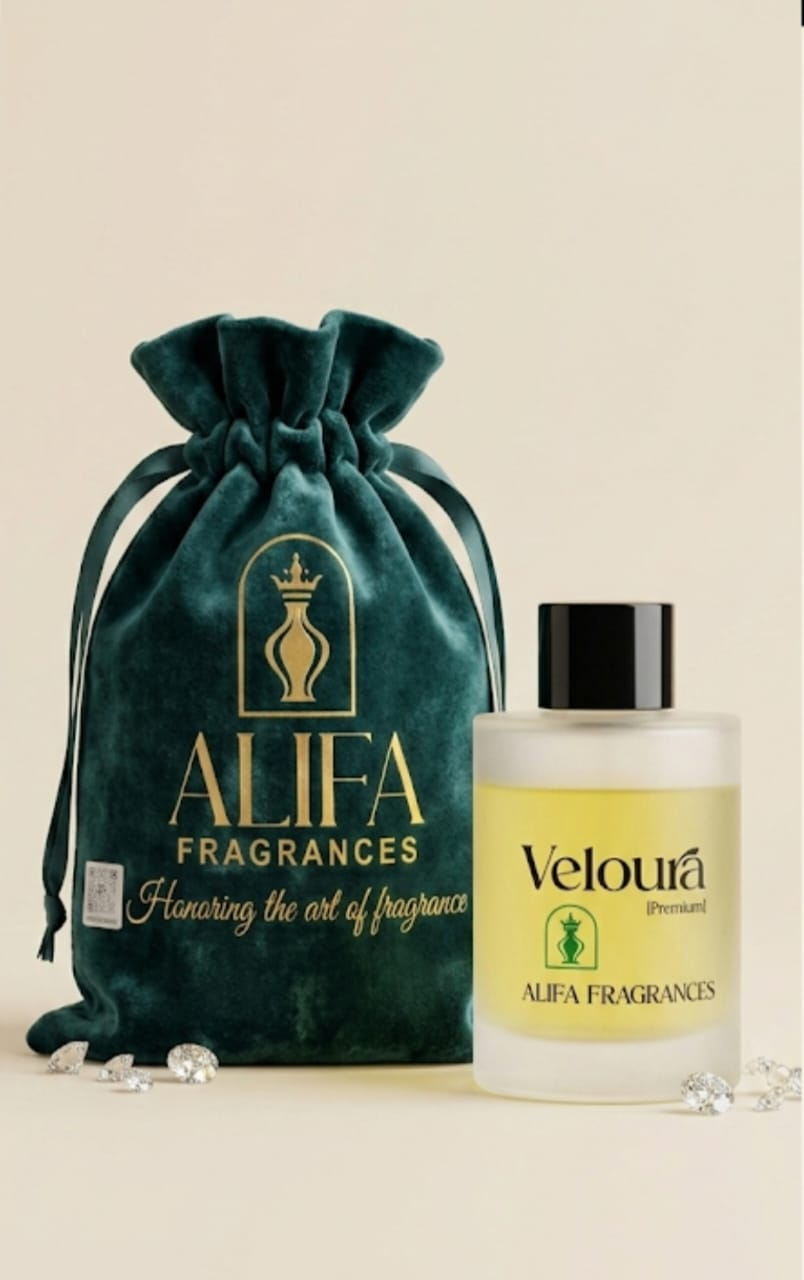
We use oud as a supporting note in several of our fragrances rather than as the star — because we think oud works best when it's grounding a bouquet, not shouting over it. You'll find it in the drydown of Divine Symphony (paired with caramel and musk) and running quietly through the base of our Elysia Royal reed diffuser. Wear either and you'll understand why perfumers have been chasing this smell for a thousand years.